Why Does Building an Art Curriculum Require the Same Thinking as Building a Collection?
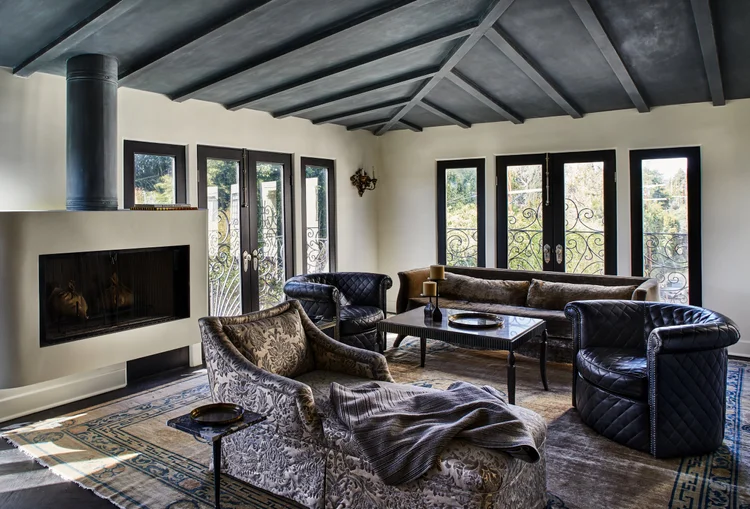
Most people think of a curriculum as a list. A sequence of skills. Units arranged from simple to complex. That is how most programs get built. And it is exactly why so many produce students who can make things but cannot truly see.
A visual arts consultant for curriculum development brings a different starting point to this work. Not a list. A sensibility. The same sensibility that separates a thoughtfully built collection from a room that simply contains art. The difference is not budget or access. It is the quality of the eye behind every decision.
What Does a Collection Have in Common With a Curriculum?
At first, the comparison might seem like a stretch. One is a set of objects. The other is a set of experiences designed to build skill over time.
But look at what a strong collection actually requires. It needs a clear sensibility running through every piece. It needs an understanding of what each work means in context. It needs restraint: the discipline to leave things out, even beautiful things, when they do not serve the whole.
A well-built curriculum needs the same things.
Why Does the Eye Matter More Than the Framework?
Art education has no shortage of frameworks. Models, standards, competency maps. The field produces them constantly.
What most frameworks cannot supply is a trained artistic eye. That eye knows when a project produces real visual thinking. It knows when students are learning to see versus simply learning to copy. It knows the difference between a curriculum with genuine coherence and one that is merely organized. That distinction is only visible to someone who has worked inside art and design culture. Not studied it from a distance. Lived and worked within it.
How Do You Decide What Belongs and What Does Not?
This is the central question of curriculum development. It rarely gets asked clearly enough.
In collection-building, the logic is specific. Does this work deepen what the collection is already saying? Does it add something that was genuinely missing? Does it hold up under sustained looking? The same questions apply directly to curriculum. Does this unit build a skill that nothing else in the program addresses? Does it connect to what came before and what comes after?
Editing a curriculum takes the same discipline as editing a collection. What you leave out shapes the integrity of what stays.
Why Is Art History the Foundation and Not Just the Background?
In many programs, history sits alongside studio work. A unit on Impressionism here. A slide deck about the Bauhaus is there. It arrives separately rather than running through the work.
In a well-built curriculum, context is not background. It is structured. A drawing project becomes more specific when students understand what Giacometti was doing with line. A color study carries more weight when students have looked carefully at how Rothko used pigment to organize space. History gives the work somewhere to stand. Students stop working in isolation. They begin working inside an ongoing conversation.
What Does Restraint Look Like Inside an Art Program?
There is constant pressure in art education to cover everything. Every medium. Every movement. Every contemporary practice. A curriculum that tries to cover everything covers nothing deeply. The same is true of a collection that reaches in every direction. It stops being a collection. It becomes an accumulation. Anyone with a trained eye can feel the difference immediately.
Restraint means choosing which skills, which histories, and which questions will receive real attention. It means going deep rather than broad. A student who learns to see carefully and draw honestly will carry those abilities into any medium they encounter later. That foundation holds.
How Does a Curriculum Develop Its Own Voice?
A collection develops a voice through years of deliberate decisions. A collector with a clear point of view makes choices that build on each other. Over time, the collection begins to feel like a single argument made across many objects.
A curriculum can develop the same quality. When every unit connects to a shared set of core questions, students begin to feel the program's internal logic. They start thinking like artists. Not because they were told to. Because the structure of their education was composed that way from the beginning.
That is the difference between a program that teaches art and one that actually shapes artists.
FAQs
What does a visual arts consultant for curriculum development actually do?
They bring a trained artistic eye to how an art program is structured. They identify what is working, what is missing, and help build a curriculum with real depth and coherence.
How is curriculum development different from writing lesson plans?
A lesson plan covers a single session. Curriculum development covers the full arc of a student's experience. It requires thinking about what each unit builds toward across months or years.
Why do so many art programs fail to develop real visual thinking?
Most are built around covering techniques rather than sustained looking and genuine inquiry. Without a clear sensibility running through the program, students learn to make things without learning to see.
What makes a curriculum coherent rather than just organized?
A shared sensibility connecting every unit to a larger idea about what art is and does. Organization is structural. Coherence is felt.
How should art history fit into studio-based work?
It should run through it, not sit beside it. When history is woven into studio projects, students understand their own work as part of a longer ongoing conversation.
What We Bring to This Work
We have spent over twenty-five years inside art and design culture. Not observing it from a distance. Working within it daily, across residential architecture, collected interiors, and educational environments.
That depth of practice shapes how we think about what art education should do. At Andrea Michaelson Design, our work as a visual arts consultant for curriculum development starts with the same question we bring to every project: what does this need to hold, and what does it need to leave out?
The answer requires the same eye in every context. If you are building or rethinking an art program and want that perspective involved, we would like to hear about it.