Photo Credit: Dan Arnold
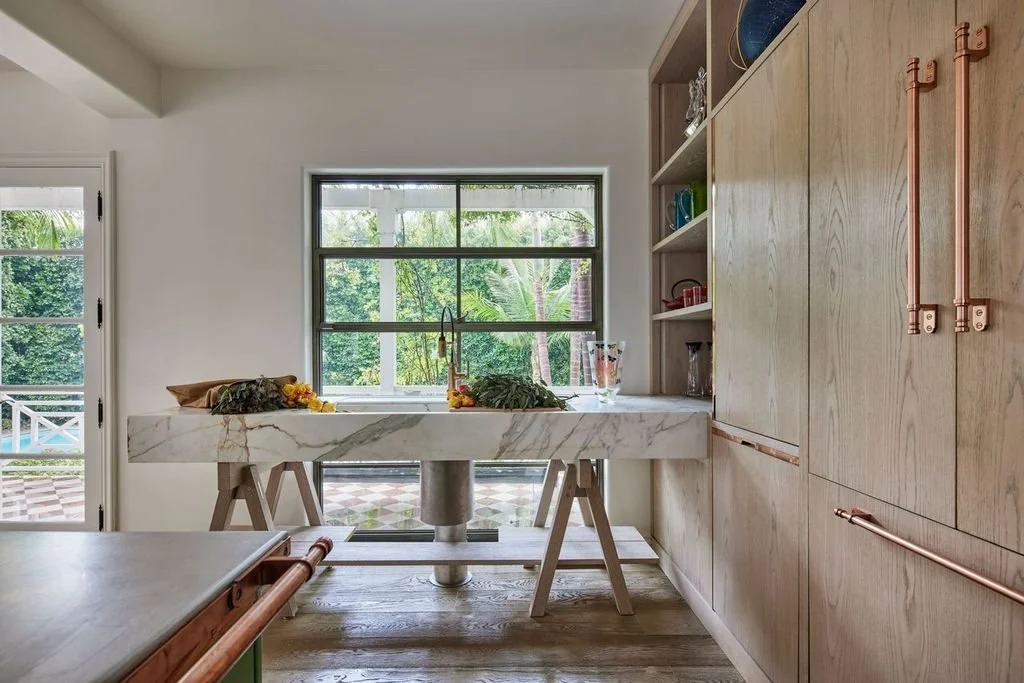
Stand in a classical room and look out the window. Something should happen there. The garden should feel like the next room, not a picture hung on the wall. A lifestyle design company thinks about both sides of the glass at once. It treats the house and the grounds as one composition, built from the same proportions, the same materials, and the same light. Here is how we approach it, step by step.
Why Do Classical Interiors and Gardens Belong Together?
Classical design runs on a few simple ideas. Proportion. Symmetry. Rhythm. A clear axis running through the space. Gardens built in the same tradition follow the same rules. A row of clipped hedges echoes a row of columns. A gravel path lines up with a hallway. A tall doorway opens onto a view framed with equal care.
Classical architecture and landscape grew up as partners for this reason. Both aim for an order the eye reads quickly and the body feels. When the two share one set of rules, walking from a salon into a garden feels natural. Nothing jolts. The structure simply continues outdoors.
How Is the Connection Built, Step by Step?
A lifestyle design company works through this link in a clear order. Skipping a step usually shows later.
Step 1: Start With the Sightlines
Before choosing anything, stand at each major window and door. Ask what the eye lands on. A good view has a destination. It might be a stone urn, an old olive tree, or a low wall washed in afternoon light. We line these focal points up with the axis of the room, so the view feels chosen, not accidental.
Step 2: Match the Proportions
A tall, narrow French door suggests a tall, narrow garden room beyond it. A wide, low opening suits a broad terrace. When door height, ceiling height, and the scale of the planting speak the same language, the whole setting settles. When they clash, the garden feels pasted on.
Step 3: Carry Materials Across the Threshold
Stone, wood, and plaster can travel from inside to outside. A limestone floor can slide through the doorway and become a terrace. Aged wood in a window frame can return as a bench or a pergola. Raw and restored materials work best here because weather improves them. Coated or faux finishes tend to look tired outdoors within a season.
Step 4: Borrow the Garden’s Palette
The grounds already supply a color scheme. Silver-green olive leaves. Pale gravel. Deep boxwood. We pull those tones indoors through muted fabrics, plaster washes, and ceramics. The garden then reads as an extension of the room, and the room feels rooted in its setting.
Step 5: Let Light and Shade Do the Work
Classical rooms depend on light falling across stone and plaster. A tree outside a window can paint that surface with moving shadow all afternoon. A trellis softens harsh sun before it reaches the glass. Planning shade early is far easier than fixing glare later.
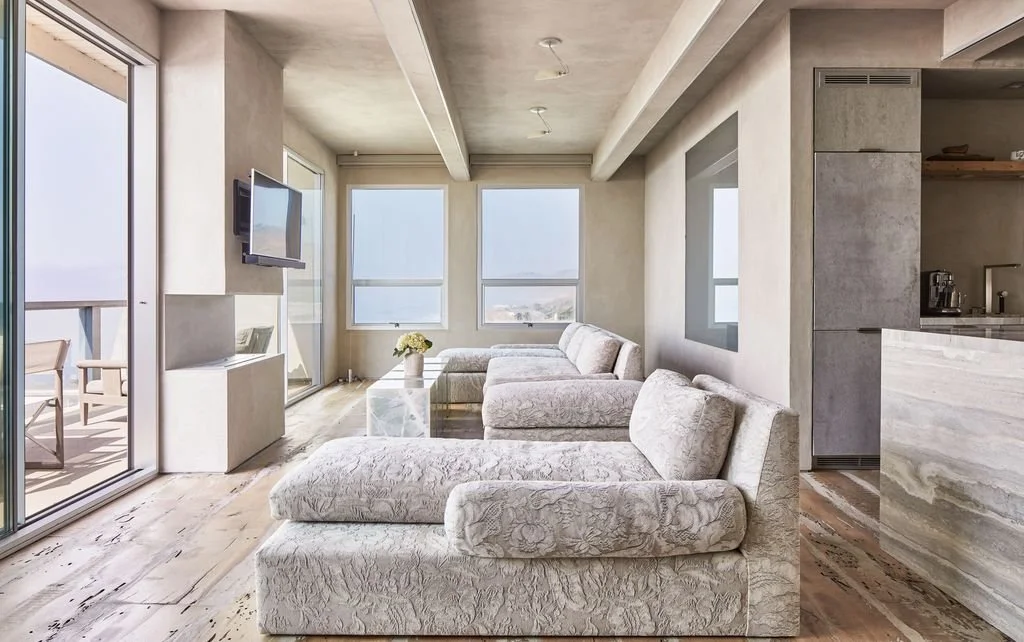
Photo Credit: Dan Arnold
Why Does Restraint Matter in a Classical Setting?
Classical design can slide into stiffness. Perfect symmetry, spotless gravel, and matched pairs of everything feel like a stage set. People admire these places but rarely relax in them.
The fix is restraint paired with a little looseness. Keep the bones formal and let the details breathe. A strict hedge line can carry wild roses spilling over the top. A symmetrical terrace can hold one mismatched antique chair. Inside, a gilded mirror can hang beside a rough plaster wall. These contrasts keep a place lived in. They also mirror how real collections grow, one found piece at a time rather than all at once.
What Does California Add to the Picture?
California light changes the equation. It is bright, direct, and generous for most of the year. It makes classical profiles crisp and lets plaster glow. It also makes shade valuable, so covered loggias and tree canopies earn their place.
The mild climate invites daily use of the grounds. A garden here is a room people sit in, eat in, and cross many times a day. A lifestyle design company working in this setting plans for that use. Seating needs shade. Paths need steady footing. Thresholds need to be wide enough to carry a tray or a stack of books without a fuss.
Plant choices matter too. Silver-leaved, drought-tolerant plants such as olive, lavender, and sage suit the climate and a classical palette alike. They look composed without drinking much water.
Which Mistakes Break the Link?
A few habits weaken the connection between house and grounds.
Matching too literally. Stone lions outside because the living room has gilded mirrors read as a theme, not a design. Echo the proportions and tones instead of the objects.
Designing the garden last. When the house is finished first, the grounds inherit leftovers. Doors land in odd places, and views end at a fence or a utility box.
Ignoring the seasons. A garden that looks right in spring but bare in winter leaves the interior staring at dirt. Layer evergreens, structure, and seasonal color so the view holds all year.
Overfilling. Too many ornaments outside weaken the calm inside. Edit the grounds the way you would edit a room.
FAQs
Q1 - What does a lifestyle design company do?
Ans - It designs around how a person actually lives. That often means planning interiors, outdoor spaces, and the objects between them together, so each part supports the others.
Q2 - Does a classical interior need a formal garden?
Ans - No. A looser garden can work well if it shares the room’s proportions, materials, and palette. The link comes from shared logic, not from clipped hedges.
Q3 - How can a small yard connect to a classical room?
Ans - Line up one strong focal point with the main window or door. Continue the interior floor material outside. A single urn, tree, or wall can carry the whole view.
Q4 - Which plants pair well with classical interiors?
Ans - Boxwood, olive, lavender, and climbing roses are reliable choices. Their calm greens and soft silvers suit stone, plaster, and aged wood, and several handle dry climates well.
Q5 - When should indoor and outdoor planning begin?
Ans - At the start. Door placement, window size, and sun exposure are all set early, and each one shapes how the grounds will feel from inside.
A House and Garden Worth Walking Between
We love the moment someone opens a door and keeps walking. It tells us the plan worked. At Andrea Michaelson Design, our work as a lifestyle design company rests on formal architecture training and decades spent with raw, restored, and collected pieces from many cultures and periods. We bring that same eye to the line where the interior ends and the grounds begin. If you have a classical room that deserves a better view, we would love to hear about it. Visit andreamichaelsondesign.com to start the conversation.